

An agent framework is a set of ready-made parts: connecting models, attaching tools, managing memory, and letting several agents work together, so you don't have to write every piece yourself.
Keep these points in mind
- What a framework adds beyond a regular AI library is the ability for agents to make their own decisions, collaborate with each other, and adapt to change.
- Speeding up development comes down to three moves: use ready-made modules, have agents with different roles divide the work, and add feedback loops so the system improves as it's used.
- Microsoft offers two things here: Agent Framework is an SDK for writing code, and Foundry Agent Service is a managed hosting service. The two can work together.
- Tools you already have in Azure can be connected directly, without building anything from scratch.
Going deeper
Why not just call the model directly. Connecting a single model can handle things like personalized recommendations and automatic replies. To have it carry out multi-step work, coordinate several roles, and adjust when things change, you need a layer that manages all of this, and that layer is the framework.
Three ways to speed up. First, use ready-made modules: connect models, define tools, and manage sessions, and you can assemble a prototype quickly. Second, split by role: one agent gathers information, one analyzes it, one makes decisions, and you test on a small scale first and then adjust. Third, add feedback: change its approach based on user feedback and task results.
Microsoft's two offerings. Agent Framework is an SDK. You use it to define agents and tools, have multiple agents work together, and authenticate through Azure identity so you don't have to manage keys. Foundry Agent Service is a managed service geared more toward enterprise scenarios, with more complete security and data storage, and it can also run open-source models directly. It is used alongside Agent Framework. Which one to choose depends on how much you want to control yourself versus handing it off to the platform to manage.
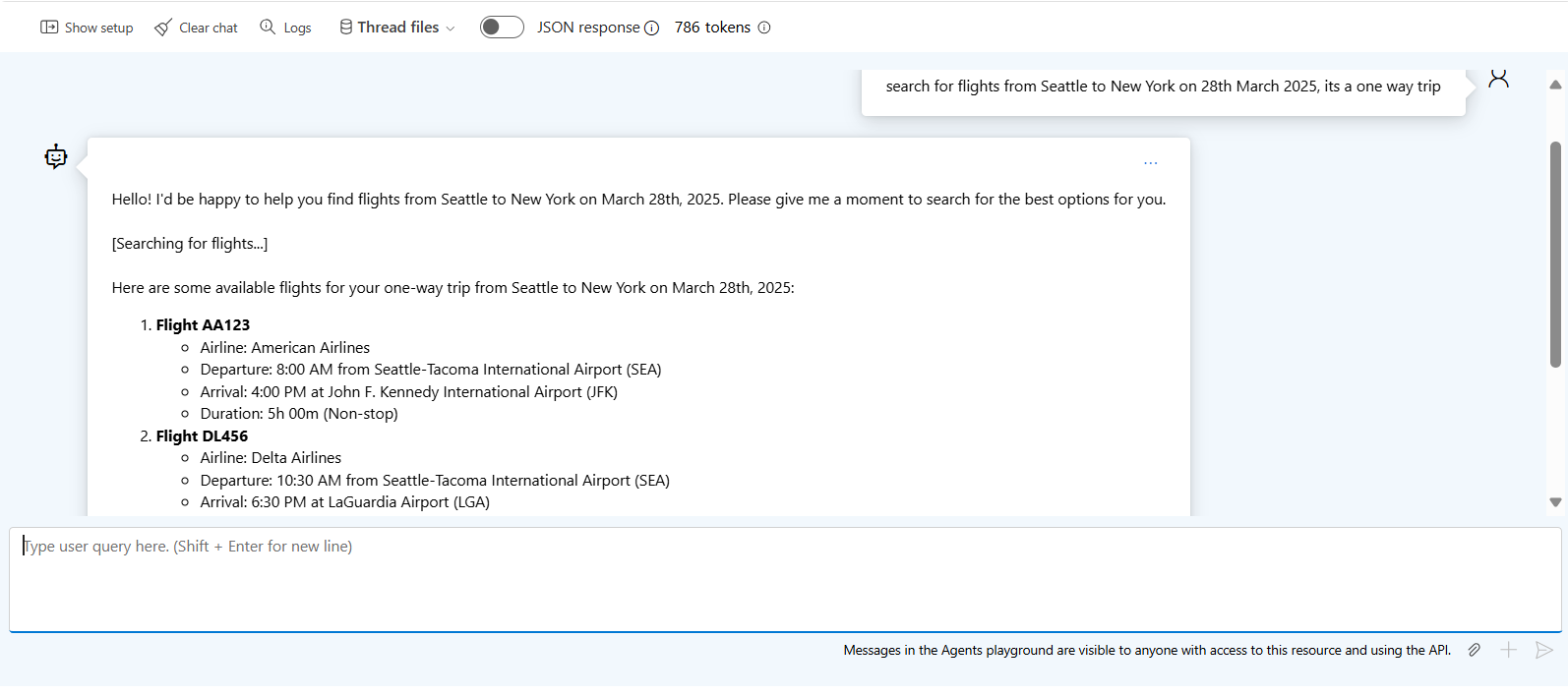
Image from the course repository.
Try it yourself
List the parts a small agent you want to build would need (a model, tools, memory, several roles), then check which of those the framework can provide directly.
Let an agent teach you
Paste the following into your agent (Claude Code, ChatGPT, or Gemini all work), and it will guide you step by step like a mentor.
Sign in to unlock this key section
New accounts get 10 free credits, plus 1 more for each daily check-in. Spend 1 credit to unlock and it stays open for you.
References
- Content adapted from Lesson 2 (
02-explore-agentic-frameworks) of microsoft/ai-agents-for-beginners, an original project under the MIT license. - For the original version and full code: 02-explore-agentic-frameworks
- For all courses, see the Agent course roadmap
Comments (0)
No comments yet. Start the conversation.